
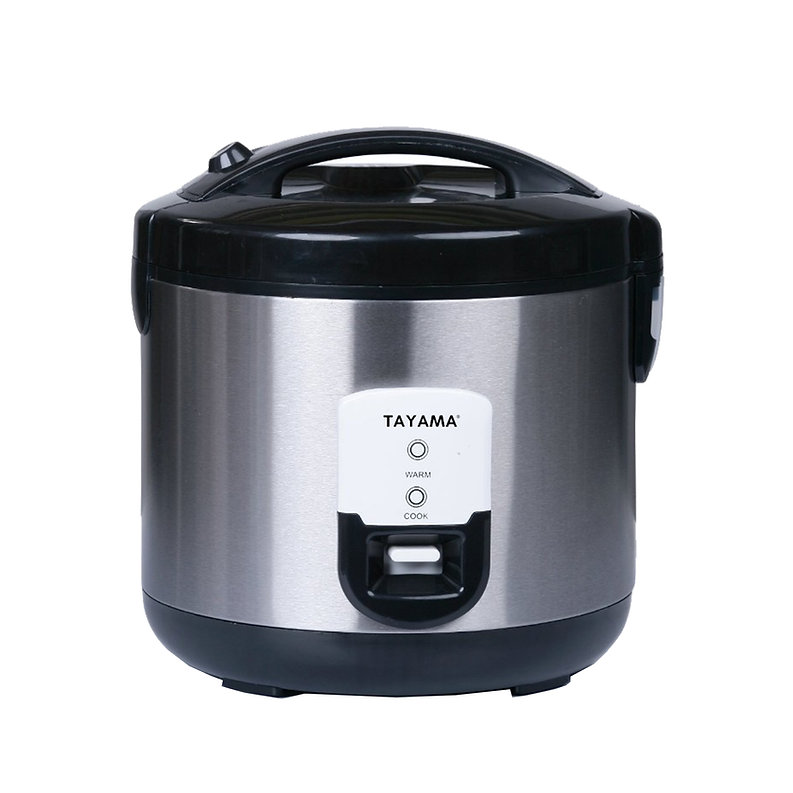
 Rice Cookers + Multicookers
 Electric Kettles + Thermo Pots
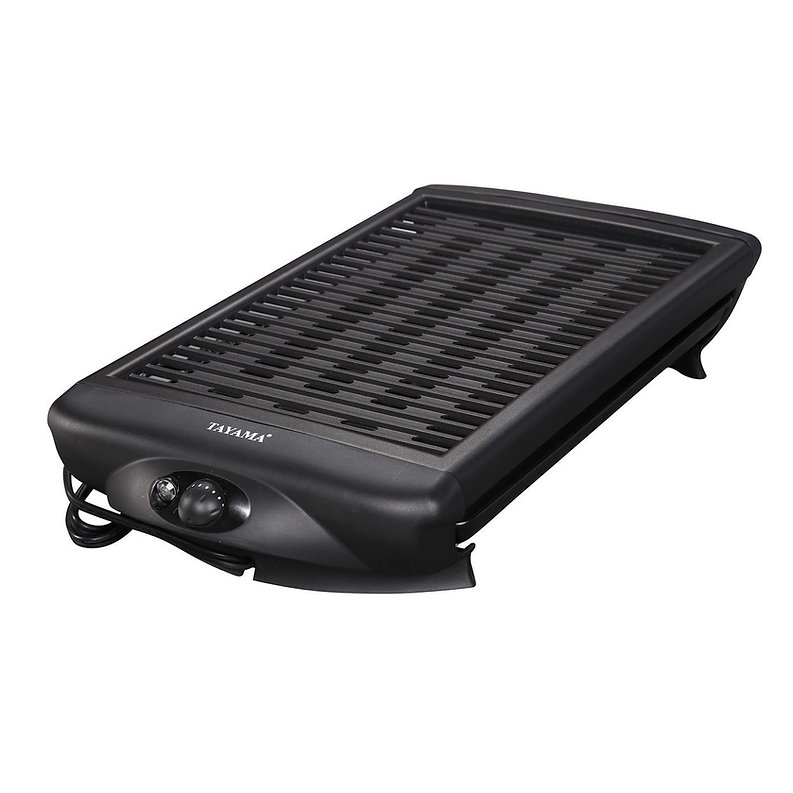 Countertop Cooking
 Cookware + Camping Stoves
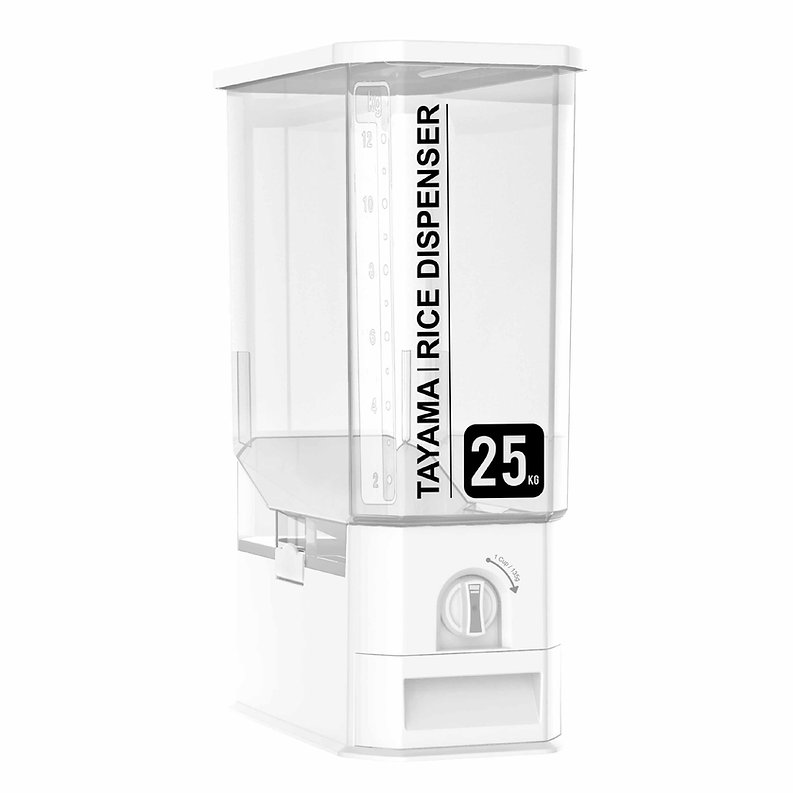 Specialty Products
 Home Living
Mastering basic techniques A beginner's guide to effective instruction
Understanding Effective Instruction
Effective instruction is the cornerstone of any learning environment. It involves not just the transfer of knowledge, but also engaging students in a way that enhances their understanding and retention. This means utilizing various teaching methods tailored to the diverse needs of learners. For beginners, grasping the essence of effective instruction starts with recognizing different learning styles, such as visual, auditory, and kinesthetic. By observing how students respond to various approaches, new instructors can refine their methods and create a more dynamic classroom atmosphere. For further reference, nikon manuals may provide additional insights into effective techniques.
Moreover, effective instruction hinges on clear communication. Instructors must convey ideas and concepts in a straightforward manner while encouraging questions and discussions. This creates a two-way interaction that promotes deeper understanding. For instance, instead of merely lecturing, an instructor might pose open-ended questions to stimulate critical thinking. This not only keeps students engaged but also allows the instructor to gauge understanding, adapting their approach as necessary.
Another key aspect is setting clear objectives. Students perform better when they know what is expected of them. By defining specific learning outcomes at the beginning of a lesson, instructors provide a roadmap for students. This clarity helps them focus their efforts on achieving those goals, fostering a sense of accomplishment as they progress through the material. Effective instruction, therefore, combines clarity, engagement, and adaptability to meet the diverse needs of learners.
Common Mistakes to Avoid in Instruction
When starting out, many instructors tend to fall into certain traps that can hinder their effectiveness. One common mistake is failing to prepare adequately for lessons. Instructors who walk into a classroom without a solid plan risk losing the attention of their students. Preparation involves more than just knowing the material; it also includes anticipating questions and preparing for classroom management challenges. A well-structured lesson plan not only keeps the instructor organized but also ensures that students receive a coherent and engaging learning experience. It’s essential to recognize common mistakes to avoid for better outcomes.
Another frequent misstep is neglecting the diverse backgrounds and learning styles of students. A one-size-fits-all approach may lead to disengagement among learners who do not connect with the material presented. Effective instructors tailor their lessons to include a variety of teaching methods and materials to reach every student. For example, incorporating multimedia presentations alongside traditional lectures can cater to both visual and auditory learners, enhancing overall comprehension and interest.
Lastly, inexperienced instructors may underestimate the importance of feedback. Providing constructive feedback is essential for student growth. Without it, students may struggle to identify their strengths and weaknesses. Regular assessments, both formal and informal, allow instructors to monitor progress and adjust their teaching strategies accordingly. This practice not only supports student learning but also fosters a sense of belonging and investment in their education.
Building Rapport with Students
Establishing rapport with students is crucial for effective instruction. A positive teacher-student relationship can significantly impact motivation and engagement. Instructors should strive to create a welcoming environment where students feel comfortable expressing their thoughts and concerns. Simple gestures, such as greeting students warmly or taking time to learn their names, can go a long way in building trust and connection.
Moreover, showing genuine interest in students’ lives outside of the classroom can enhance these relationships. By understanding their interests, challenges, and aspirations, instructors can better relate the material to their students’ experiences. This relevance not only makes learning more engaging but also empowers students to take ownership of their education. For example, incorporating current events or cultural references into lessons can help students see the real-world applications of their studies.
Lastly, maintaining an approachable demeanor is essential. Instructors should encourage open dialogue and be receptive to student feedback. When students feel that their opinions are valued, they are more likely to participate actively in discussions. This two-way communication fosters an inclusive learning environment where students feel empowered to express their thoughts and ask questions, further enhancing the effectiveness of instruction.
Utilizing Technology in Instruction
In today’s digital age, leveraging technology in instruction can significantly enhance the learning experience. Various tools and platforms exist that can help engage students and facilitate deeper understanding. For instance, using interactive presentations, educational apps, and online resources can cater to different learning styles and preferences. Technology allows instructors to diversify their teaching methods, making lessons more dynamic and engaging.
Furthermore, technology provides opportunities for personalized learning. Instructors can use online assessments to track student progress and identify areas needing improvement. This data-driven approach allows for targeted interventions, ensuring that each student receives the support they need. For example, adaptive learning platforms can adjust the difficulty of tasks based on a student’s performance, helping them stay challenged without becoming overwhelmed.
However, it is essential to approach technology with caution. Not all tools are suitable for every lesson, and instructors should be mindful of potential distractions. Effective integration of technology requires planning and a clear understanding of the learning objectives. By thoughtfully incorporating technology into their instruction, educators can create an enriched learning environment that supports student engagement and success.
Enhancing Instructional Resources on Our Website
Our website serves as a comprehensive platform for accessing a variety of instructional resources, including user manuals and guides. These materials are designed to support both new and experienced instructors in mastering effective teaching techniques. By providing a wealth of information, we aim to empower educators to enhance their instruction and foster student success.
Users can easily navigate through our extensive library of resources, allowing for quick access to specific guides that meet their instructional needs. From lesson planning to classroom management strategies, our materials cover a wide range of topics essential for effective teaching. We prioritize accessibility, ensuring that all educators can benefit from our resources regardless of their experience level.
Additionally, we continuously update our content to reflect the latest trends and research in education. This commitment to providing current and relevant information ensures that educators remain informed and equipped to tackle the challenges of teaching. Our goal is to create a supportive community where instructors can grow and thrive, ultimately improving the learning experiences for their students.