
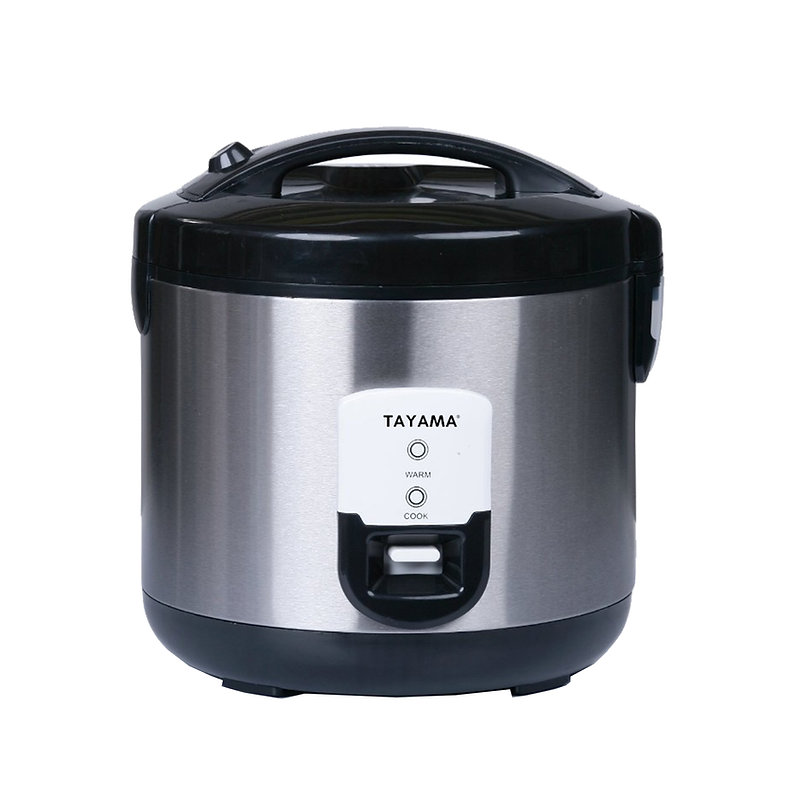
 Rice Cookers + Multicookers
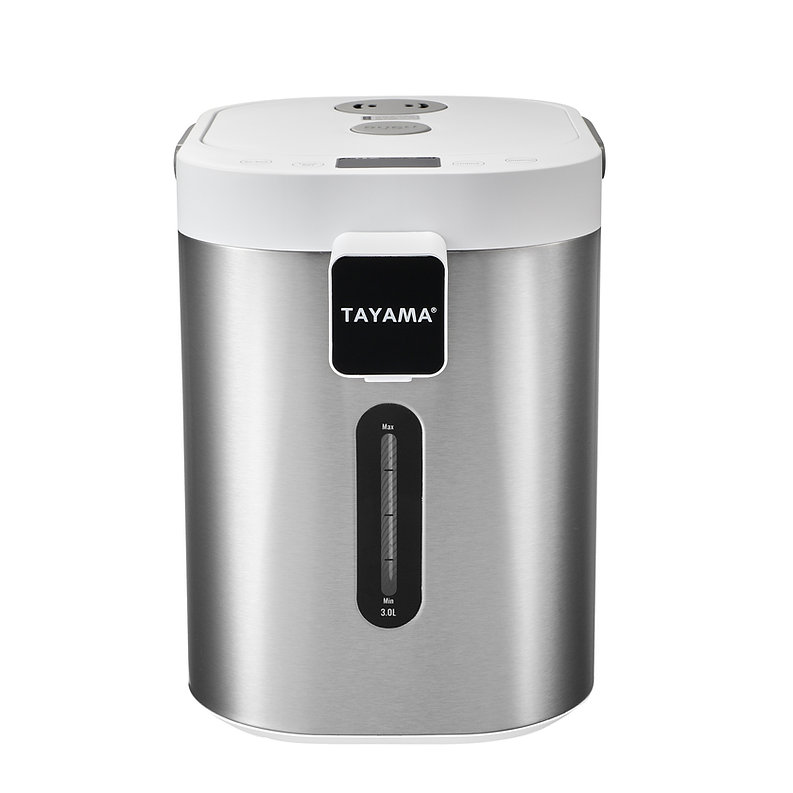 Electric Kettles + Thermo Pots
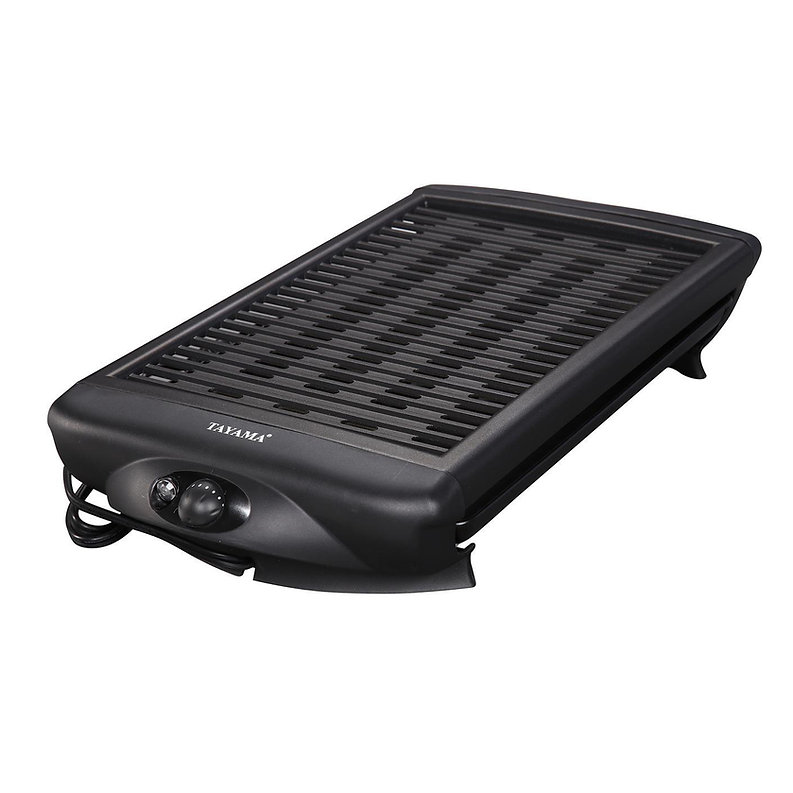 Countertop Cooking
 Cookware + Camping Stoves
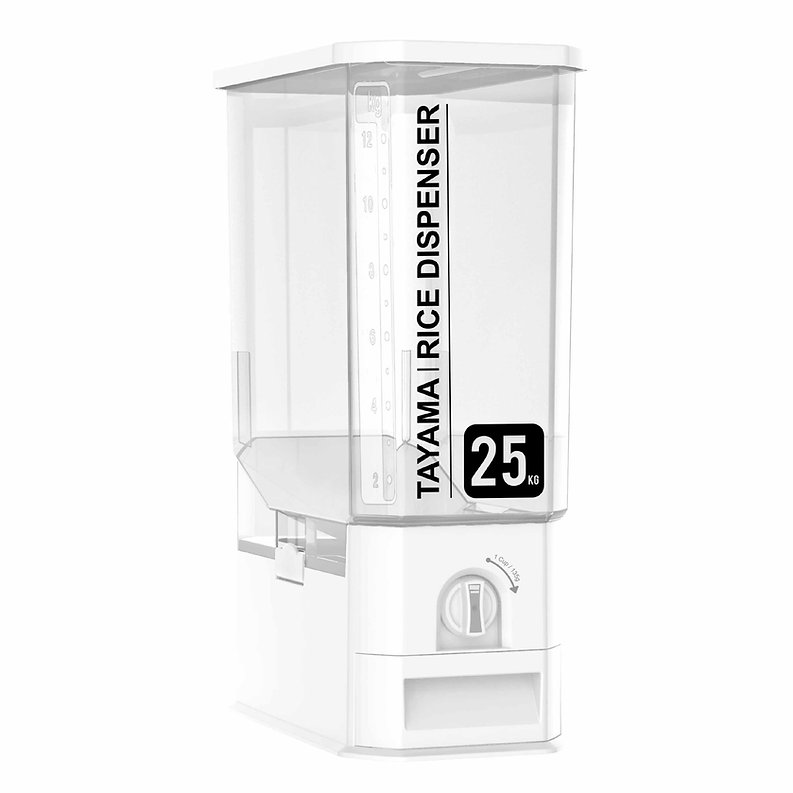 Specialty Products
 Home Living
Your Privacy in the Digital Age: Data Protection at Norwegian Online Pharmacies
In an era where digital transactions are commonplace, the security and privacy of personal information have become paramount concerns for consumers. This is especially true when it comes to sensitive health-related data. For customers of online pharmacies in Norway, understanding how their information is handled is not just a matter of curiosity, but a crucial aspect of their digital safety. Norwegian law, heavily influenced by the General Data Protection Regulation (GDPR), imposes stringent requirements on how businesses collect, process, and store personal data. At the forefront of compliant and secure online healthcare is https://www.nigelapotek.net, a platform that exemplifies the commitment to upholding these rigorous standards. This article will delve into the specifics of privacy and data protection in Norway and explore the measures that a responsible online pharmacy like NIGeL Apotek implements to safeguard customer information, ensuring a trustworthy and secure experience for everyone seeking non-prescription medications online.
The foundation of data protection in Norway is the Personal Data Act (Personopplysningsloven), which incorporates the GDPR into national law. This legislation provides a comprehensive framework that governs how organizations must manage personal data, granting individuals significant rights over their own information. For an online pharmacy, this means that every aspect of the customer journey, from browsing products to completing a purchase, is designed with privacy as a core principle. The commitment to data protection is not merely a legal obligation but a cornerstone of the customer relationship, building trust and confidence. This involves transparent communication about what data is collected, why it is needed, and how it is protected. By adhering to these principles, Norwegian online pharmacies ensure that customers can focus on their health and well-being, secure in the knowledge that their personal information is in safe hands.

The Legal Framework: GDPR and the Norwegian Personal Data Act
Norway, as part of the European Economic Area (EEA), is bound by the General Data Protection Regulation (GDPR), which is renowned for being one of the most robust data protection regimes in the world. The GDPR was integrated into Norwegian law through the Personal Data Act, ensuring that citizens have a high level of control over their personal information. This legal framework is built on several key principles that online entities, particularly those handling sensitive health data like online pharmacies, must follow meticulously. These principles include lawfulness, fairness, and transparency; purpose limitation; data minimization; accuracy; storage limitation; integrity and confidentiality (security); and accountability. For customers of NIGeL Apotek, this means that the pharmacy operates under a strict set of rules designed to protect their privacy at all times.
The Norwegian Data Protection Authority (Datatilsynet) is the independent body responsible for enforcing these laws. It has the power to conduct investigations, issue warnings, and impose significant fines for non-compliance. This regulatory oversight ensures that businesses take their data protection responsibilities seriously. An online pharmacy operating in Norway must be able to demonstrate its compliance, which includes maintaining records of data processing activities, conducting data protection impact assessments for high-risk processing, and appointing a Data Protection Officer (DPO) if required. This robust legal and regulatory environment provides a strong safety net for consumers, ensuring their data is not misused or handled irresponsibly.
A key aspect of this framework is the emphasis on obtaining valid consent from users before processing their data, unless there is another legal basis for doing so. Consent must be freely given, specific, informed, and unambiguous. For an online pharmacy, this means clear and concise explanations of what data is being collected and for what purpose, without resorting to confusing legal jargon. Customers must actively opt-in, and they have the right to withdraw their consent at any time.
Key Principles of Data Processing
To provide a clearer understanding of the obligations placed upon online pharmacies, it’s helpful to break down the core principles of data processing as mandated by the GDPR and Norwegian law. These principles form the bedrock of how customer information is managed.
- Lawfulness, Fairness, and Transparency: All data processing must have a legitimate legal basis. The process must be fair to the individual, and the pharmacy must be completely transparent about its data handling practices.
- Purpose Limitation: Personal data can only be collected for specified, explicit, and legitimate purposes. It cannot be further processed in a manner that is incompatible with those initial purposes.
- Data Minimisation: An online pharmacy should only collect and process personal data that is adequate, relevant, and limited to what is necessary for the intended purpose. This means no excessive data collection.
- Accuracy: Personal data must be accurate and, where necessary, kept up to date. Every reasonable step must be taken to ensure that inaccurate data is rectified or erased without delay.
- Storage Limitation: Data should be kept in a form which permits identification of individuals for no longer than is necessary for the purposes for which the data are processed.
- Integrity and Confidentiality: This principle mandates the use of appropriate technical and organizational security measures to protect personal data against unauthorized or unlawful processing and against accidental loss, destruction, or damage.
What Information Does an Online Pharmacy Collect?
When you use an online pharmacy, a certain amount of personal information is required to process your order and provide a safe, efficient service. The principle of data minimization is crucial here; a compliant pharmacy will only ask for information that is strictly necessary. The types of data collected can generally be categorized into several groups, each with a specific purpose.
The most basic information required is for creating an account and processing orders. This typically includes your name, address, email address, and phone number. This data is essential for communication, delivery, and identity verification. Financial information, such as credit card details, is also collected for payment processing. However, reputable online pharmacies use secure, encrypted payment gateways to ensure this sensitive information is protected and is often not stored on the pharmacy’s servers directly.
Given the nature of the business, online pharmacies also handle health-related information. Since the products are non-prescription, the data is not as sensitive as a full medical record, but it still pertains to the customer’s health and well-being choices. This includes the details of the products you purchase. This information is used to fulfill your order and may be used internally to provide better service and product recommendations, but it is treated with the utmost confidentiality.
Types of Data Collected
Here is a breakdown of the typical data categories an online pharmacy like NIGeL Apotek would collect to ensure a smooth and secure customer experience, all while adhering to Norwegian data protection laws.
| Data Category | Examples | Purpose of Collection |
| Identity and Contact Data | Full name, delivery address, email address, phone number | Account creation, order processing, delivery, customer support |
| Financial Data | Payment card details (processed via secure gateway) | Processing payments for orders |
| Transaction Data | Details about products purchased, order history, payment details | Fulfilling orders, managing returns, customer service |
| Technical Data | IP address, browser type, device information, cookies | Website security, improving user experience, analytics |
How Your Data is Secured and Protected
Ensuring the integrity and confidentiality of customer data is a top priority. Online pharmacies employ a multi-layered security approach to protect information from unauthorized access, alteration, or disclosure. This involves both technical and organizational measures as required by law.
Technically, a secure online pharmacy website uses Secure Sockets Layer (SSL) encryption. This technology encrypts the data transmitted between your browser and the website’s server, making it unreadable to any third parties who might try to intercept it. You can usually verify this by looking for a padlock icon in your browser’s address bar. Furthermore, databases containing customer information are protected by firewalls, access controls, and regular security audits to prevent breaches. Sensitive information is often pseudonymized or encrypted where possible to add an extra layer of protection.
Organizational measures are just as important. This includes having strict internal policies on data handling. Access to personal customer data is restricted to authorized personnel on a “need-to-know” basis. Employees who handle customer data receive regular training on data protection principles and security best practices. These internal controls are designed to minimize the risk of human error and ensure that your data is always treated with the care it deserves.
Security Measures in Place
A comprehensive security strategy is essential. Here are some of the key measures a compliant online pharmacy implements to protect your data.
- Encryption: All data transmitted to and from the website is encrypted using industry-standard SSL/TLS protocols. Sensitive data stored in databases is also encrypted.
- Access Control: Strict role-based access controls are implemented to ensure that only authorized employees can access personal data, and only for legitimate business purposes.
- Regular Security Audits: The pharmacy’s systems undergo regular vulnerability scanning and penetration testing to identify and remediate potential security weaknesses.
- Secure Payment Processing: All payment transactions are handled through a PCI-DSS compliant payment gateway, meaning the pharmacy does not store your full credit card details on its servers.
- Employee Training: Staff are regularly trained on data privacy and security to ensure they understand their responsibilities in protecting customer information.
Data Retention and Deletion
In line with the storage limitation principle, personal data is not kept indefinitely. An online pharmacy must have a clear data retention policy that specifies how long different types of data are stored. The retention period is determined by the purpose for which the data was collected and any legal obligations to retain it (for example, for accounting or tax purposes). Once the retention period expires, the data must be securely deleted or anonymized. Customers also have the right to request the deletion of their personal data under certain circumstances, a right known as the “right to be forgotten.”
| Data Type | Typical Retention Period | Reason |
| Customer Account Information | As long as the account is active | To provide ongoing service to the customer |
| Order History | Several years (e.g., 5 years) | Legal requirements for bookkeeping and accounting |
| Customer Support Inquiries | 1-2 years after resolution | Quality assurance and follow-up |
Your Rights as a Customer
The GDPR and the Norwegian Personal Data Act empower individuals with a strong set of rights concerning their personal data. As a customer of an online pharmacy, it is important to be aware of these rights. A transparent and customer-focused pharmacy will make it easy for you to exercise them.
You have the right to access the personal information the pharmacy holds about you. This allows you to verify the lawfulness of the processing. You also have the right to rectification, meaning you can request to have any inaccurate or incomplete data corrected. The right to erasure, or the “right to be forgotten,” allows you to request the deletion of your data when it is no longer necessary for the purpose it was collected for, or if you withdraw your consent. Other rights include the right to restrict processing, the right to data portability (allowing you to obtain and reuse your data for your own purposes across different services), and the right to object to certain types of processing, such as direct marketing.
Exercising Your Data Protection Rights
Here is a summary of the fundamental rights you possess regarding your personal data when shopping at a Norwegian online pharmacy.
- The Right to be Informed: To receive clear, transparent, and easily understandable information about how your personal data is used.
- The Right of Access: To obtain a copy of your personal data and other supplementary information.
- The Right to Rectification: To have inaccurate personal data corrected or completed if it is incomplete.
- The Right to Erasure: To request the deletion or removal of your personal data where there is no compelling reason for its continued processing.
- The Right to Restrict Processing: To block or suppress the processing of your personal data in certain circumstances.
- The Right to Data Portability: To obtain and reuse your personal data for your own purposes across different services.
- The Right to Object: To object to processing based on legitimate interests or the performance of a task in the public interest/exercise of official authority.
- Rights in Relation to Automated Decision Making and Profiling: To be protected against potentially damaging decisions made without human intervention.
| Right | Description | How to Exercise |
| Access | Request a copy of your personal data. | Usually through a contact form or dedicated email address. |
| Rectification | Request correction of inaccurate data. | Often available in account settings or via customer support. |
| Erasure | Request deletion of your personal data. | Contact the pharmacy’s data protection officer or support team. |
FAQ: Your Data Protection Questions Answered
Is it safe to provide my personal information to an online pharmacy in Norway?
Yes, it is generally very safe. Online pharmacies in Norway are legally required to comply with the Norwegian Personal Data Act and the GDPR, which are among the strictest data protection laws globally. This means they must implement robust security measures and transparent data handling practices to protect your information.
What happens to my data if I close my account?
When you close your account, the online pharmacy is required to delete or anonymize your personal data once it is no longer needed for the purpose it was collected for. However, some information, such as transaction data, may need to be retained for a specific period to comply with legal obligations like tax and accounting laws.
Can I find out what information the pharmacy has stored about me?
Absolutely. You have the right to access your personal data. You can submit a request, often called a Subject Access Request (SAR), to the online pharmacy, and they must provide you with a copy of the information they hold about you, usually within one month.
Does the pharmacy share my data with third parties?
An online pharmacy will only share your data with trusted third parties when it is necessary to provide their services, such as with payment processors and delivery companies. Their privacy policy should clearly state who they share data with and for what purpose. They will not sell your data to marketers without your explicit consent.
Who can I contact if I have concerns about my data privacy?
You should first contact the online pharmacy’s customer service or their Data Protection Officer (DPO). If you are not satisfied with their response, you have the right to lodge a complaint with the Norwegian Data Protection Authority (Datatilsynet), which is the national supervisory authority for data protection.